7 Everyday Habits That Quietly Destroy Your Energy Levels (And How to Fix Them)
Feeling constantly tired even after a full night’s sleep? You’re not alone. Many people blame age, stress, or lack of caffeine for their low energy, but often the real culprits are small, unnoticed habits that slowly drain you throughout the day. The good news: most of them are easy to fix once you know what they are. Here are seven everyday habits that quietly destroy your energy levels — and how to reverse them.
1. Skipping Breakfast (or Eating the Wrong Kind)
Breakfast sets the tone for your entire day. When you skip it, your blood sugar drops, leaving you sluggish, moody, and mentally foggy. On the flip side, eating a sugary breakfast like pastries or cereal spikes your energy fast — only to crash later, making you even more tired.
The fix: Choose protein and fiber. Eggs, oatmeal with nuts, or Greek yogurt with fruit will fuel you steadily and prevent mid-morning slumps. Even something as simple as a banana with peanut butter can stabilize your energy for hours.
2. Checking Your Phone First Thing in the Morning
Scrolling through emails or social media right after waking up might feel harmless, but it actually floods your brain with stress hormones like cortisol before you’ve even gotten out of bed. That “rush” of information triggers mental fatigue that lasts all day.
The fix: Create a 20-minute “no phone zone” in the morning. Use that time for stretching, journaling, or drinking water quietly. You’ll start your day grounded instead of overstimulated — and you’ll notice your focus improve, too.
3. Staying Hydrated Only When You’re Thirsty
Mild dehydration is one of the most overlooked causes of fatigue. Even losing just 1% of your body’s water can impact concentration, mood, and physical energy. But most people only drink when they feel thirsty, which is already too late.
The fix: Don’t wait for thirst. Keep a water bottle near you and sip throughout the day. Add a pinch of sea salt or lemon if plain water feels boring — electrolytes help your body absorb it better. Aim for a steady intake, especially before meals and during long work sessions.
4. Sitting Too Long Without Moving
You might think resting conserves energy, but sitting for hours actually slows blood circulation and oxygen delivery to your muscles and brain. That’s why long desk days leave you feeling heavy and drained even if you didn’t move much.
The fix: Move every 30–60 minutes. Stand up, stretch your arms, walk to refill your water, or do 10 squats by your chair. These “micro-breaks” keep your body’s energy systems active and prevent stiffness and fatigue from setting in.
5. Living in a Constant State of Mental Clutter
Mental clutter is a hidden energy thief. When your brain juggles too many open tabs — unread emails, unfinished tasks, scattered thoughts — it burns energy just trying to stay organized. That constant background stress exhausts your focus and motivation.
The fix: Simplify. Each morning, write down three things that truly matter for the day. Ignore everything else until those are done. Closing mental loops one by one frees your brain to focus, boosting both productivity and mental energy.
6. Eating Too Little (or Too Late in the Day)
Dieting, skipping meals, or eating one large dinner can throw your metabolism off balance. Your body ends up in “energy-saving mode,” making you feel sluggish and foggy. Plus, going too long without food causes blood sugar dips that sap concentration.
The fix: Eat smaller, balanced meals every 3–4 hours. Include a mix of protein, healthy fats, and slow carbs like vegetables or whole grains. Think of food as fuel — you wouldn’t expect your phone to run all day on 10% battery, so don’t expect your body to either.
7. Ignoring the Power of Sleep Quality
You can sleep eight hours and still wake up exhausted if the quality of your sleep is poor. Late-night screens, alcohol, or inconsistent bedtimes mess with your circadian rhythm and block deep, restorative rest. Over time, this creates chronic fatigue no matter how long you stay in bed.
The fix: Build a consistent bedtime routine. Dim lights an hour before sleep, avoid screens, and keep your room cool and dark. If your mind races, try gentle breathing exercises or writing down tomorrow’s to-do list to clear your head. Even small changes like these can dramatically improve sleep quality within days.
Final Thoughts
Energy isn’t just about how much you rest — it’s about how you live. Every small choice you make either charges or drains your internal battery. By fixing these everyday habits, you’re not just avoiding tiredness — you’re building long-term resilience, focus, and emotional balance.
You don’t need to overhaul your lifestyle overnight. Start with one change — maybe drinking more water or putting your phone away after waking up — and build from there. The difference will surprise you: more focus, more calm, and a version of you that doesn’t rely on caffeine to get through the day.
This 1 Body Language Move Makes Anyone Seem More Confident (Even If You’re Nervous)
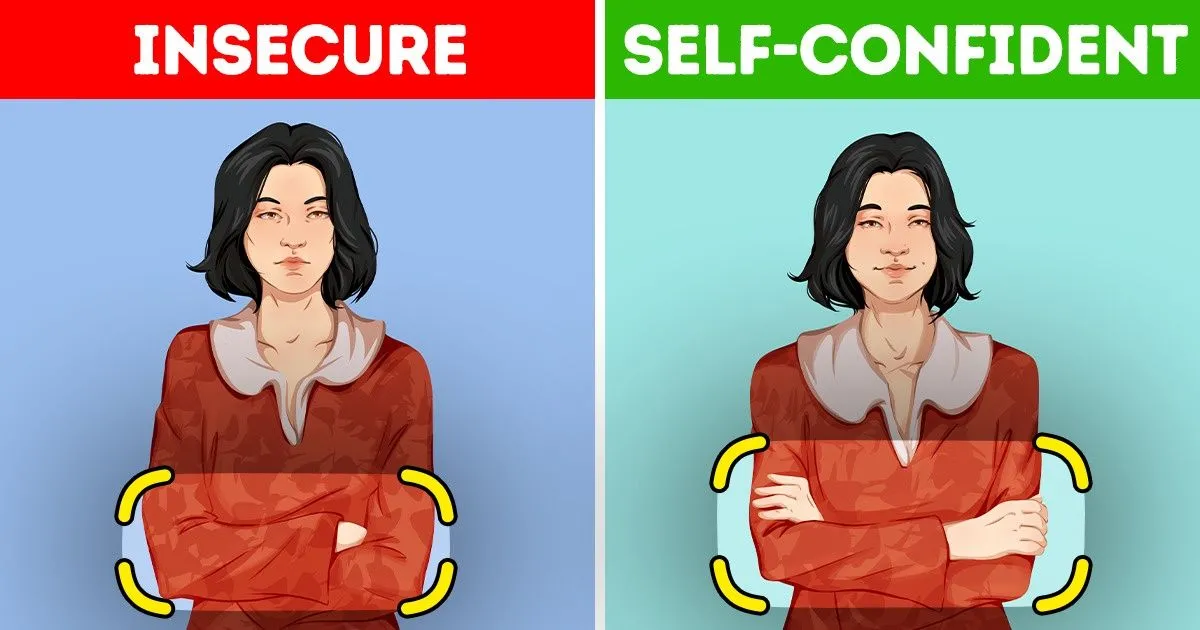
Confidence isn’t just about what you say — it’s about how you carry yourself. You can have the right words, the best outfit, and even the right intentions, but if your body language sends the wrong signal, people pick up on it instantly. The good news? You can shift how others see you (and even how you feel about yourself) with a single, simple body language move.
Comments 0