I Tried the 3-2-1 Sleep Method for a Week — Here’s What Actually Happened
For years, I thought my sleep problems came from stress or late-night scrolling — but no matter what I tried, I still woke up tired. Then I stumbled across the “3-2-1 sleep method,” a simple routine going viral on TikTok and health blogs. Supposedly, it helps you fall asleep faster and wake up feeling fully refreshed — without supplements or fancy gadgets.
It sounded too easy to be true, but I decided to try it for a week. Here’s exactly what happened, how it works, and whether it’s actually worth doing.
What Is the 3-2-1 Sleep Method?
The 3-2-1 rule is a simple evening formula created by fitness and wellness experts to improve sleep quality naturally:
-
3 hours before bed: No food or alcohol.
-
2 hours before bed: No work or mentally stimulating tasks.
-
1 hour before bed: No screens — and start winding down.
That’s it. The goal is to help your body and brain gradually shift from “active mode” to “rest mode.” Instead of crashing into bed overstimulated and full, you give your system time to reset.
When I first heard about it, I thought, “Three hours without food? No way.” But after reading about the science behind it, it made sense — digestion, cortisol levels, and screen light all mess with sleep more than we realize.
Night 1: The Struggle Is Real
I started my first night with good intentions. I finished dinner at 7 p.m. and planned to be in bed by 10. That meant no snacks, no emails, and no scrolling after that point.
The first challenge hit immediately: I had a habit of checking messages while brushing my teeth. It felt odd to stop. My brain wanted stimulation, not silence.
By the time I turned off my phone, the urge to “just check one more thing” was strong. But within 15 minutes, I noticed something surprising — my body felt calmer. My eyes weren’t buzzing from screen light, and my thoughts started to slow down. I didn’t fall asleep instantly, but I definitely felt drowsier than usual.
Night 2–3: My Body Starts to Adjust
The second night, I finished dinner earlier and replaced my usual Netflix time with a warm shower and reading. That made a huge difference.
By avoiding food three hours before bed, my stomach felt lighter. Normally, I’d go to bed slightly bloated or full — which I didn’t realize was affecting my sleep. That night, I fell asleep faster and woke up once instead of my usual three or four times.
By the third night, something clicked. I wasn’t yawning through the day, and my energy levels stayed steady until bedtime. It was like my body had finally caught up to its natural rhythm.
Night 4: The No-Work Rule Is Harder Than It Sounds
The “no work two hours before bed” rule turned out to be the hardest part for me. I often reply to messages, plan posts, or brainstorm ideas late at night — it feels productive.
But after testing this rule, I realized how draining it actually was. Even thinking about work triggered mild anxiety and kept my brain alert when it should have been winding down.
So, instead of working, I made a to-do list for the next day, wrote in my journal, and mentally “closed the tab” on everything unfinished. It was like hitting a reset button for my mind. I fell asleep faster that night than I had all week.
Night 5–6: Unexpected Side Effects
By the fifth night, I noticed small but noticeable changes:
-
My dreams were more vivid.
-
I woke up naturally before my alarm.
-
My morning brain fog was gone.
And here’s the weird part — I started craving less caffeine. Usually, I drink two coffees before noon. By day six, one was enough.
The other thing I noticed was how much mental space I gained. Without screens in that last hour, my evenings felt longer. I wasn’t stuck doomscrolling or jumping between apps. I’d stretch, read, and sometimes just think. It was peaceful — a feeling I hadn’t realized I missed.
Night 7: The Final Test
By the seventh night, the routine felt normal. Dinner by 7, laptop off by 8, phone down by 9.
That night, I fell asleep within ten minutes — something I hadn’t done in years. I slept a full seven hours straight and woke up before my alarm, alert and clear-headed.
It wasn’t magic — I still had to resist old habits — but the difference was real. My body knew when it was time to rest, and my mind followed.
The Science Behind Why It Works
Each step of the 3-2-1 method targets a different system in your body:
-
3 hours before bed — stop eating:
Late-night meals keep your digestive system active and can cause acid reflux, bloating, or spikes in blood sugar. These all interfere with deep sleep. By eating earlier, your body can focus on recovery instead of digestion. -
2 hours before bed — stop working:
Work triggers cortisol, your stress hormone, which keeps your mind alert. Giving yourself a break helps your brain shift from “problem-solving mode” to “rest mode.” -
1 hour before bed — no screens:
Blue light from phones and TVs suppresses melatonin, the hormone that tells your body it’s time to sleep. Replacing screens with a calm routine — reading, journaling, or gentle stretching — restores your natural sleep rhythm.Read More
Each rule may seem simple, but together, they align your body’s internal clock and signal it’s time to slow down.
What I Learned After a Week
After seven days of sticking to the 3-2-1 sleep method, here’s what changed for me:
-
I fell asleep faster — usually within 10–15 minutes.
-
I woke up with more energy and less grogginess.
-
My mood was better, and I felt calmer at night.
-
I stopped craving midnight snacks.
-
My focus during the day improved noticeably.
The biggest takeaway? Sleep quality isn’t just about how long you’re in bed — it’s about how you prepare for bed.
Is It Worth Trying?
Absolutely. The 3-2-1 method costs nothing, requires no special equipment, and works for almost everyone. You don’t have to be perfect — even following it most nights helps.
If you’re tired of restless nights or sluggish mornings, start small. Set a timer as a reminder:
-
Eat earlier.
-
Close your laptop two hours before bed.
-
Put your phone away an hour before sleeping.
You’ll notice the difference within days.
Final Thoughts
In a world where everyone’s running on caffeine and late-night scrolling, the 3-2-1 sleep method feels like a breath of fresh air. It’s not another sleep “hack” — it’s a return to how our bodies were designed to rest.
After one week, I didn’t just sleep better — I lived better. My mornings felt lighter, my mind clearer, and my energy more stable.
So if you’re looking for a natural, no-effort way to sleep deeper and wake up actually refreshed, try the 3-2-1 rule for yourself. You might be surprised by how quickly your nights — and your days — start to change.
7 Everyday Habits That Quietly Destroy Your Energy Levels (And How to Fix Them)
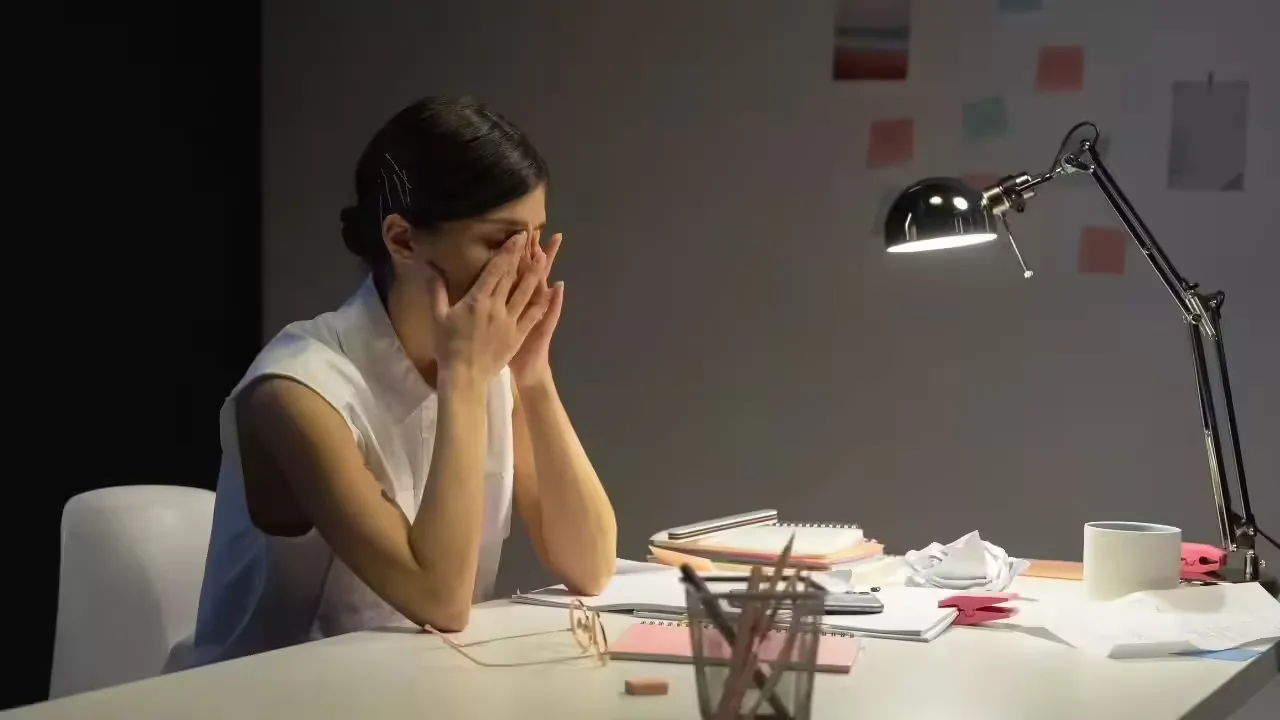
Feeling constantly tired even after a full night’s sleep? You’re not alone. Many people blame age, stress, or lack of caffeine for their low energy, but often the real culprits are small, unnoticed habits that slowly drain you throughout the day. The good news: most of them are easy to fix once you know what they are. Here are seven everyday habits that quietly destroy your energy levels — and how to reverse them.
Comments 0