The 10-Second Trick That Makes People Instantly Like You (Backed by Psychology)
First impressions happen faster than we think. Research shows that people form opinions about you within the first few seconds of meeting — often before you’ve even said a word. Whether it’s a job interview, a date, or a casual conversation, those first ten seconds can determine how others perceive your confidence, warmth, and trustworthiness.
So what if there was a simple, psychology-backed trick that could make people instantly like you — no acting, no manipulation, just genuine connection? The good news: there is. And it only takes ten seconds to use.
The Trick: Make People Feel Seen
It sounds simple, but it’s incredibly powerful: make the other person feel genuinely seen and valued.
That’s the 10-second secret.
Psychologists call this the “liking gap” — the tendency for people to underestimate how much others enjoy interacting with them. In other words, most people walk away from conversations thinking they weren’t liked as much as they actually were.
When you make someone feel truly noticed, you instantly close that gap. You signal warmth, respect, and curiosity — and the human brain is wired to respond positively to those cues.
How to Do It in 10 Seconds
You can make almost anyone like you instantly using three simple actions:
-
Eye contact that lingers just one second longer than usual
When you meet someone’s gaze and hold it naturally, it tells their subconscious, “You matter.” Not staring, not overdoing it — just enough to convey calm confidence. -
A genuine smile — one that reaches your eyes
A real smile triggers the release of oxytocin (the “trust” hormone) in both you and the person you’re talking to. It disarms tension and creates warmth faster than words ever could. -
Say their name once, naturally
Hearing your own name activates unique regions of the brain linked to identity and pleasure. Using someone’s name early in a conversation makes them feel recognized — not just another face in the crowd.
Combine these three micro-actions and you’ll create a positive impression in under ten seconds — one that sticks long after the first encounter.
Why It Works (According to Psychology)
Humans are social creatures hardwired to seek belonging and validation. When you make someone feel seen, their brain releases dopamine — the same chemical linked to pleasure and reward.
That’s why people remember those who made them feel good, not necessarily those who were the most interesting or impressive.
Social psychologist Dr. Heidi Grant explains that being liked often has less to do with charisma and more to do with attunement — the ability to make others feel understood and valued.
In other words, people don’t like you because you’re confident — they like you because you make them feel confident.
The “Mirror Effect”: The Subconscious Signal of Connection
There’s another fascinating reason this trick works: mirroring.
When you make someone feel seen, they unconsciously mirror your behavior — matching your tone, posture, and even facial expressions. This creates instant rapport and a sense of connection that feels natural.
It’s not about copying the other person, but aligning your energy. When they smile, you smile. When they lean in slightly, you do too. These tiny cues tell the brain: “We’re on the same wavelength.”
The result? A deeper bond, even in brief encounters.
The Power of Presence
Most people think being likable means being talkative, funny, or impressive. But what really draws people in is presence — giving your full attention in the moment.
When you’re distracted or thinking about what to say next, the other person can feel it. But when you’re present — really listening — it’s magnetic.
The human mind craves acknowledgment. When someone feels heard, they associate you with comfort and safety. That’s why great communicators aren’t just good talkers — they’re exceptional listeners.
Real-World Example
Imagine this: you walk into a meeting. One person glances at you, nods, and goes back to their phone. Another person looks up, smiles warmly, and says, “Hey, good to see you, [your name]. How have you been?”
Which one would you naturally gravitate toward?
That small 10-second interaction sets the emotional tone for everything that follows. The second person hasn’t said anything extraordinary — but they’ve made you feel acknowledged. That’s the foundation of likability.
How to Practice the 10-Second Trick
Like any habit, this one gets stronger with repetition. Here’s how to build it into your day:
-
Start with strangers.
Try it with a barista, cashier, or someone at the gym. A quick smile and eye contact can make their day — and train your brain to connect effortlessly. -
Use it in conversations.
When meeting someone new, slow down. Look them in the eye, smile genuinely, say their name, and listen for just a few seconds before speaking. -
End interactions warmly.
Even when saying goodbye, use their name again. Ending with positive acknowledgment reinforces connection and leaves a lasting impression.Read More
Over time, this becomes second nature — a quiet power that changes how people respond to you everywhere you go.
What to Avoid
A few things can break the magic:
-
Overdoing it: Too much eye contact or an exaggerated smile feels forced. Keep it natural.
-
Fake interest: People sense insincerity immediately. The goal isn’t to impress — it’s to connect.
-
Talking too soon: Resist the urge to fill silence. Let the other person speak first; it shows confidence and patience.
The Ripple Effect
The beauty of this trick is that it doesn’t just make others like you — it also changes you.
When you focus on making people feel seen, your interactions become more authentic and fulfilling. You’ll find conversations flow easier, social anxiety decreases, and even strangers respond with more warmth.
Psychologists say this creates a “positive feedback loop.” The more kindness and connection you project, the more you receive — and the easier it becomes to repeat.
Final Thoughts
In a world where everyone’s distracted, the most likable person in the room isn’t the loudest or the funniest — it’s the one who makes others feel seen.
It doesn’t take charm, wealth, or confidence. Just ten seconds of genuine presence, a smile that reaches your eyes, and the simple act of remembering someone’s name.
Because at the end of the day, people won’t remember what you said. They’ll remember how you made them feel — and that feeling starts in the first ten seconds.
This 1 Body Language Move Makes Anyone Seem More Confident (Even If You’re Nervous)
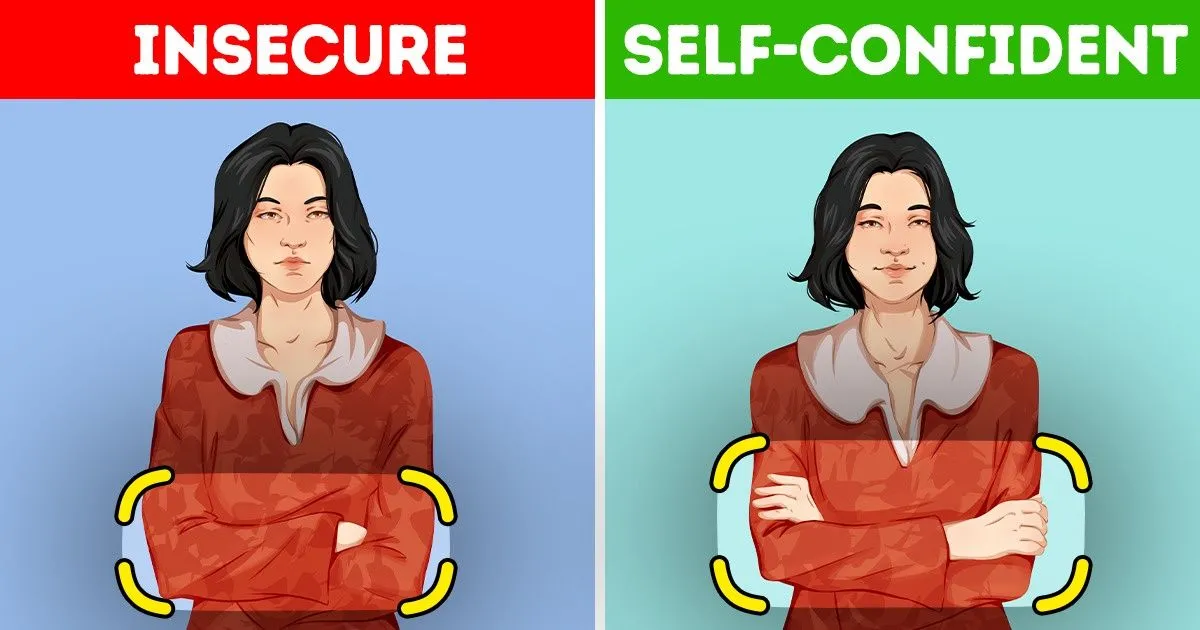
Confidence isn’t just about what you say — it’s about how you carry yourself. You can have the right words, the best outfit, and even the right intentions, but if your body language sends the wrong signal, people pick up on it instantly. The good news? You can shift how others see you (and even how you feel about yourself) with a single, simple body language move.
Comments 0