The ‘Two-Minute Rule’ That Can Rewire Your Brain for Success
If you struggle with procrastination, unfinished tasks, or that constant feeling of being “stuck,” there’s a surprisingly simple rule that can change everything. It doesn’t require a motivational speech, a new app, or even a big time commitment. All you need is two minutes — and a willingness to start.
It’s called the Two-Minute Rule, and it’s one of the most powerful productivity hacks ever discovered. Used by entrepreneurs, psychologists, and top performers, it works by rewiring the way your brain approaches action.
Here’s how it works — and how just two minutes a day can transform your habits, focus, and long-term success.
1. What Is the Two-Minute Rule?
The Two-Minute Rule is simple: if something takes less than two minutes, do it immediately.
That means replying to a short email, folding your laundry, sending a quick message, or writing down an idea before you forget.
It also applies to big goals — but with a twist. Instead of forcing yourself to finish a huge task, you commit to starting it for just two minutes.
For example:
-
Want to start exercising? Do two minutes of stretches.
-
Want to write a book? Write for two minutes.
-
Want to learn a new skill? Read one page or watch one tutorial clip.
Read More
It sounds small — but that’s exactly why it works.
2. Why It Works (The Psychology Behind It)
Your brain hates change. It prefers comfort, predictability, and low effort. That’s why starting something new often feels overwhelming — your brain sees it as a threat.
The Two-Minute Rule bypasses that resistance by lowering the barrier to entry. It tricks your brain into saying, “This is easy. I can do that.” Once you start, momentum takes over.
It’s called the Zeigarnik Effect — the brain’s tendency to want to finish what it starts. Once you begin a task, your brain naturally craves completion. So those “two minutes” often turn into ten, twenty, or even an hour — without the mental struggle to begin.
In short: the hardest part of any task isn’t doing it — it’s starting it. The Two-Minute Rule removes that mental block.
3. How It Rewires Your Brain
Every time you take a small action instead of delaying it, you’re training your brain to associate productivity with reward. Over time, these micro-actions reprogram your habits and self-image.
You stop thinking of yourself as someone who procrastinates and start seeing yourself as someone who acts.
Neuroscientists call this habit reinforcement. Each small win triggers dopamine — the brain’s motivation chemical — reinforcing that behavior. Soon, taking action becomes automatic, even on bigger tasks.
It’s not about willpower — it’s about rewiring your neural pathways through consistent, tiny wins.
4. How to Use It for Daily Success
Here’s how to make the Two-Minute Rule part of your everyday routine:
Step 1: Identify quick wins.
Look around right now. What can you finish in under two minutes? Wipe the counter, reply to a message, or file a document. These small wins clear mental clutter and build momentum.
Step 2: Apply it to big goals.
If a task feels overwhelming, scale it down to a two-minute version. Don’t commit to cleaning your entire kitchen — commit to washing one plate. Don’t plan to run five miles — just put on your shoes.
Step 3: Let momentum take over.
Once you start, you’ll often continue naturally. That’s momentum at work — your brain now wants to finish what it began.
Step 4: Repeat daily.
Do it often enough, and it becomes a habit. Suddenly, the things you used to avoid become effortless parts of your day.
5. Real-World Examples of the Two-Minute Rule
-
Writers: Bestselling author James Clear popularized this rule in Atomic Habits. He says it’s how he built a writing habit that led to millions of readers — by starting with just two minutes a day.
-
Fitness coaches: Many trainers use it to help clients build consistency. Instead of committing to an hour-long workout, they tell them to start with two minutes of movement. Once they begin, they rarely stop at two.
Read More -
Business leaders: Entrepreneurs often use it to beat analysis paralysis. Instead of endlessly planning, they take a small, immediate action — send an email, make a call, test one idea — and build momentum from there.
6. The Two-Minute Myth (It’s Not About Time)
The Two-Minute Rule isn’t really about finishing tasks in two minutes — it’s about creating an identity shift.
When you start tasks right away, even small ones, you prove to yourself that you’re someone who takes action. That small identity change is what drives real, lasting success.
In other words, you’re not training your body — you’re training your mind to believe in motion over hesitation.
Over time, this builds what psychologists call behavioral momentum — the compounding power of small actions leading to big outcomes.
7. Common Mistakes (and How to Avoid Them)
-
Mistake #1: Trying to do too much.
If you turn your two-minute task into a massive to-do list, you’ll burn out. Keep it small and simple. -
Mistake #2: Overthinking it.
Don’t debate whether something “counts” as a two-minute task. If it helps you move forward, do it.Read More -
Mistake #3: Ignoring progress.
Celebrate your small wins. Each time you act quickly, you’re building a stronger habit — even if it feels insignificant in the moment.
8. Why It Works in Every Area of Life
The Two-Minute Rule can transform any part of your life — career, health, relationships, finances.
-
Work: Start that email, outline that project, or schedule that meeting.
-
Health: Stretch, hydrate, or prepare a healthy snack.
-
Mindset: Write two lines in your journal or list one thing you’re grateful for.
Each small step compounds into massive results. Over weeks and months, these micro-moments of action reshape how you think, work, and live.
Final Thoughts
The Two-Minute Rule sounds almost too easy — but that’s its genius. Success doesn’t start with big leaps; it starts with small, consistent motions that tell your brain, “I’m someone who gets things done.”
So the next time you’re tempted to delay something, don’t overthink it. Just give it two minutes.
Because once you start, everything else gets easier. And before you know it, those two minutes might just change the way you live, work, and succeed.
How Much Should Window Replacement Really Cost in 2025?
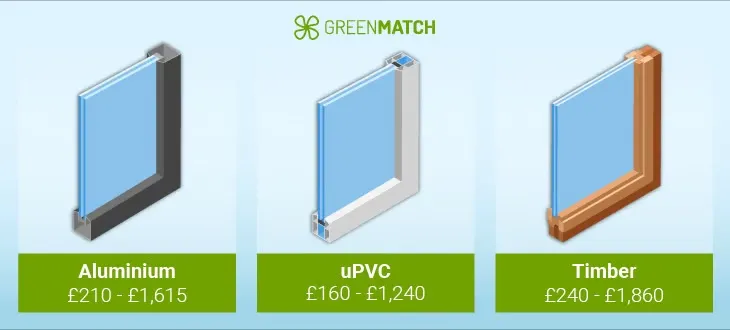
If you’re thinking of replacing the windows in your home, you’re probably asking: “How much should I expect to pay in 2025?” With rising material costs, shifting labor rates, and tighter energy-efficiency standards, the price tag for window replacement has changed significantly. Here’s what you need to know — from average costs to the key factors that drive the price and how to spot a fair deal.
Comments 0